
Wood-Plastic Composite (WPC) decking has revolutionized outdoor living spaces by combining the aesthetic appeal of natural wood with the durability of modern polymers. As a sustainable and low-maintenance alternative to traditional timber, WPC decking is increasingly favored in residential, commercial, and public projects. This article explores the versatile applications of WPC decking, its technical advantages, and emerging trends, ensuring your next project benefits from this innovative material.
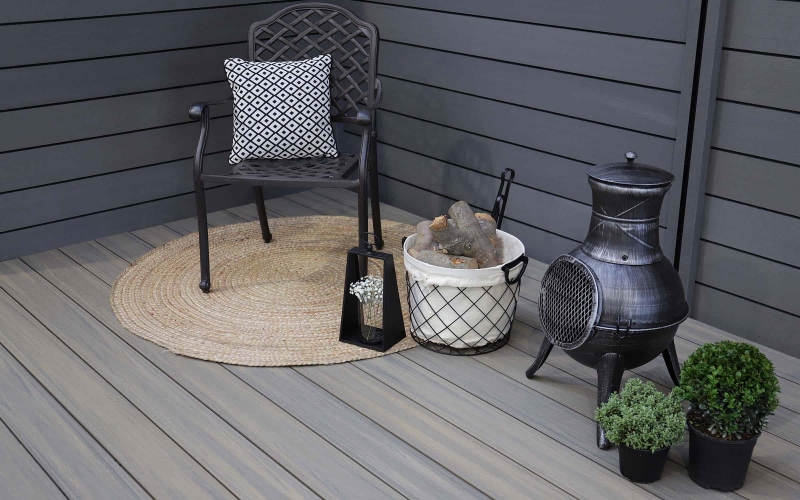
1. Residential Applications of WPC Decking
WPC decking is a game-changer for homeowners seeking durable and visually appealing outdoor solutions.
1.1 Backyard Decks and Patios
WPC decking is ideal for creating inviting patios and backyard decks. Unlike traditional wood, it resists warping, splintering, and rot, even in humid or rainy climates. Its non-slip surface, enhanced by longitudinal grooves for drainage, ensures safety around pools or wet areas3. Homeowners can choose from solid or hollow-core boards, with hollow designs offering cost savings and reduced weight for DIY installations.
1.2 Balconies and Rooftop Terraces
Urban homes and apartments benefit from WPC’s lightweight yet sturdy profile. Its resistance to UV radiation prevents fading, while low thermal expansion (3 mm per meter) ensures stability across temperature fluctuations3. For rooftop installations, composite boards with fire-resistant coatings (e.g., PVC-based WPC) are recommended to meet safety standards.
1.3 Garden Pathways and Pool Surrounds
WPC’s moisture resistance makes it perfect for pool decks and garden pathways. Unlike wood, it won’t absorb water or harbor mold, reducing slip hazards. The material’s ability to mimic natural wood grains allows seamless integration into garden landscapes.
2. Commercial and Public Spaces
WPC decking’s robustness and low upkeep make it a top choice for high-traffic areas.
2.1 Hospitality Venues
Restaurants, hotels, and cafes use WPC decking for outdoor seating areas. Its resistance to stains (especially PVC-based composites) ensures easy cleanup of spills, while its aesthetic versatility complements modern designs310. Brands like Trex and TimberTech offer commercial-grade boards with enhanced load-bearing capacities for heavy foot traffic.
2.2 Public Boardwalks and Parks
Municipalities prioritize WPC for boardwalks and park trails due to its longevity and minimal maintenance. Hollow-core boards reduce material costs, while solid profiles withstand constant use. For example, Japan’s Osaka Castle employs WPC flooring to blend historical aesthetics with modern durability.
2.3 Marine Applications
Docks and marinas benefit from WPC’s resistance to saltwater corrosion. Unlike untreated wood, it won’t degrade in marine environments, making it a sustainable choice for piers and waterfronts.
3. Technical Advantages of WPC Decking
Understanding the material’s engineering highlights its superiority over traditional options.
3.1 Material Composition and Durability
WPC combines wood fibers (50–80%) with polymers like PVC, PE, or PP. PVC-based composites offer superior rigidity and fire resistance, while PE/PP variants provide flexibility for curved designs39. Advanced treatments, such as aluminum ester coupling agents, enhance fiber-resin bonding, improving tensile strength by 30%.
3.2 Thermal and Moisture Resistance
WPC’s low water absorption (1–2%) prevents swelling, even in monsoon climates. Thermal expansion is managed through installation gaps (2–3 mm between boards), allowing natural contraction without structural compromise.
3.3 Eco-Friendly Manufacturing
By repurposing wood waste (sawdust, rice husks) and recycled plastics, WPC reduces landfill dependency. Leading manufacturers like UPM ProFi and Guofeng Wood-Plastic Composite prioritize circular economy principles.
4. Installation and Maintenance Best Practices
Proper installation ensures longevity, while minimal upkeep reduces lifecycle costs.
4.1 Installation Guidelines
Subframe Preparation: Use pressure-treated timber or galvanized steel joists for subframes. Ensure a 1–2% slope for drainage.
Fastening Systems: Clip-based systems accommodate thermal expansion, avoiding warping. Stainless steel screws are essential for PVC/PP composites due to their brittleness.
Ventilation: Hollow-core boards require adequate airflow beneath the deck to prevent moisture buildup.
4.2 Maintenance Tips
Cleaning: Annual washing with mild detergent removes dirt. Avoid abrasive tools to prevent surface scratches.
Stain Removal: PVC-based WPC resists oil stains, while PE/PP boards require prompt cleaning with dish soap.
UV Protection: Choose boards with UV inhibitors to maintain color vibrancy over decades.
5. Market Trends and Innovations
The WPC decking market is projected to grow at a 7.5% CAGR through 2030, driven by sustainability demands and technological advancements.
5.1 Hybrid Composites
New blends incorporating bamboo fibers or rice husks enhance strength while reducing costs. For instance, Newtechwood’s bamboo-WPC hybrids offer 25% higher rigidity than traditional boards.
5.2 Smart Decking Solutions
Embedded sensors for moisture detection and solar-integrated WPC tiles are emerging trends, particularly in smart cities.
5.3 Aesthetic Customization
Textured finishes (e.g., brushed woodgrain) and color-infused boards allow designers to replicate exotic hardwoods without environmental concerns.

