
Explore the detailed production process, materials, and advantages of WPC decking. Learn how manufacturers create durable, eco-friendly composite decking for outdoor applications.
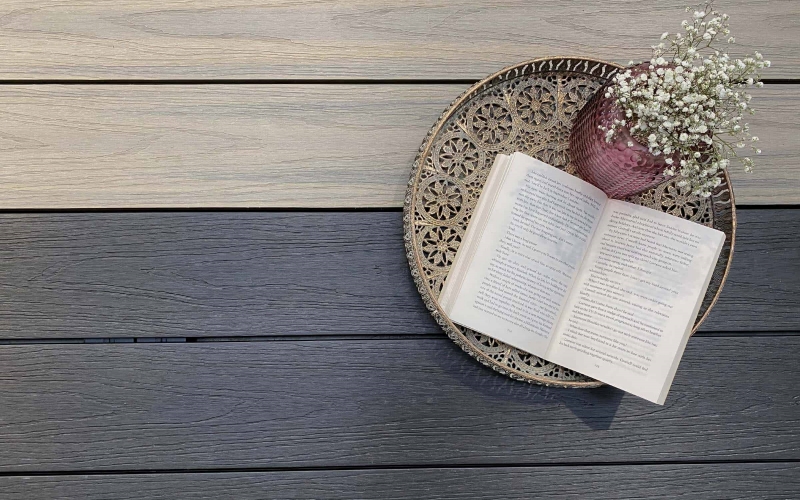
Introduction to WPC Decking
Wood-Plastic Composite (WPC) decking is a revolutionary material that combines the aesthetic appeal of natural wood with the durability of plastic. Designed for outdoor applications such as patios, pool surrounds, and boardwalks, WPC decking resists moisture, termites, and UV radiation while requiring minimal maintenance. This article delves into the production process, material composition, and quality standards that define modern WPC decking manufacturing.
What Is WPC Decking?
WPC decking is a composite material made from a blend of:
Wood fibers or bamboo (50–60%).
Thermoplastics like HDPE, PVC, or PP (30–40%).
Chemical additives (10–15%) for UV resistance, color stability, and fire retardancy.
Unlike traditional wood, WPC decking is splinter-free, low-maintenance, and recyclable, making it a sustainable choice for eco-conscious consumers.
Raw Materials in WPC Decking Production
1. Wood/Bamboo Fiber
Sourced from recycled wood waste or bamboo, these fibers provide structural integrity and a natural appearance.
Must be dried to a moisture content of <2% to prevent defects during extrusion.
2. Thermoplastics
HDPE (High-Density Polyethylene): Commonly used due to its durability and compatibility with wood fibers.
PVC: Offers enhanced weather resistance but requires careful temperature control during processing.
3. Additives
Coupling Agents: Improve bonding between wood fibers and plastic.
UV Stabilizers: Protect against sun-induced fading.
Fire Retardants: Meet safety standards for commercial use.
Step-by-Step Production Process of WPC Decking
1. Raw Material Preparation
Drying: Wood fibers are dried in rotary kilns to reduce moisture.
Grinding: Fibers are ground into fine particles (≤1mm) for uniform mixing.
Plastic Pelletizing: Recycled HDPE or PVC is processed into pellets for easier melting.
2. Mixing
Wood fibers, plastic pellets, and additives are blended in a high-speed mixer at 160–180°C.
Homogeneity is critical to ensure consistent product quality.
3. Extrusion
The mixture is fed into a twin-screw extruder, where heat (150–200°C) and pressure melt the plastic and bind it with wood fibers.
Co-Extrusion: Some manufacturers add a protective outer layer (capped decking) for enhanced UV and scratch resistance.
4. Molding and Shaping
The molten composite is forced through a die to form decking profiles (e.g., 140×20mm or 150×25mm).
Hollow designs reduce weight while maintaining strength.
5. Cooling and Cutting
Profiles are cooled in water baths to stabilize their shape.
Automated saws cut boards to standard lengths (2.9m, 5.8m) or custom sizes.
6. Surface Treatment
Brushing/Sanding: Creates a textured, wood-like finish.
Embossing: Adds grain patterns for enhanced aesthetics.
7. Quality Control
Dimensional Checks: Verify thickness, width, and straightness.
Performance Tests: Assess UV resistance, load capacity, and moisture absorption.
Certifications like ISO 9001, CE, and ASTM ensure compliance with global standards.
8. Packaging
Boards are bundled on pallets (112 pieces/pallet) and wrapped in waterproof film for shipping.
Advantages of WPC Decking
Eco-Friendly: Uses 90% recycled materials and is fully recyclable.
Durability: Resists rot, warping, and insect damage, even in saltwater conditions.
Low Maintenance: No painting or sealing required—simple cleaning with soap and water suffices.
Versatility: Available in colors like IPE, Walnut, and Rosewood, with custom options.
Wide Temperature Tolerance: Performs from -40°C to 60°C.
Key Applications of WPC Decking
Residential: Patios, balconies, and garden pathways.
Commercial: Boardwalks, pool decks, and rooftop terraces.
Marine: Docks and seaside walkways due to saltwater resistance.
Challenges in WPC Manufacturing
Material Compatibility: Balancing wood-to-plastic ratios to prevent brittleness or swelling.
UV Degradation: Additives must be precisely measured to prevent color fading.
Cost Management: High-quality additives and co-extrusion processes increase production costs.
Innovations in WPC Technology
Hybrid Composites: Integrating rice husks or coconut fibers for improved sustainability.
Nano-Coatings: Enhancing surface hardness and stain resistance.
Modular Designs: Pre-assembled panels for faster installation.
Choosing a Reliable WPC Manufacturer
Certifications: Look for ISO 14001, FSC, and SGS reports.
Customization: Opt for suppliers offering tailored colors, sizes, and surface textures.

